
One-on-one mentorship

Modern Cinematic Scoring

Compose like a pro

Work directly with BAFTA-winning composer Jason Graves.Write better music.Score real scenes.Build an industry-ready reel.

Schedule a chat & see how it works

Free field guide · 24 pages · 20 exercises

20 Cinematic Scoring Techniques
Every Composer Should Know

Free. No spam. Unsubscribe anytime.

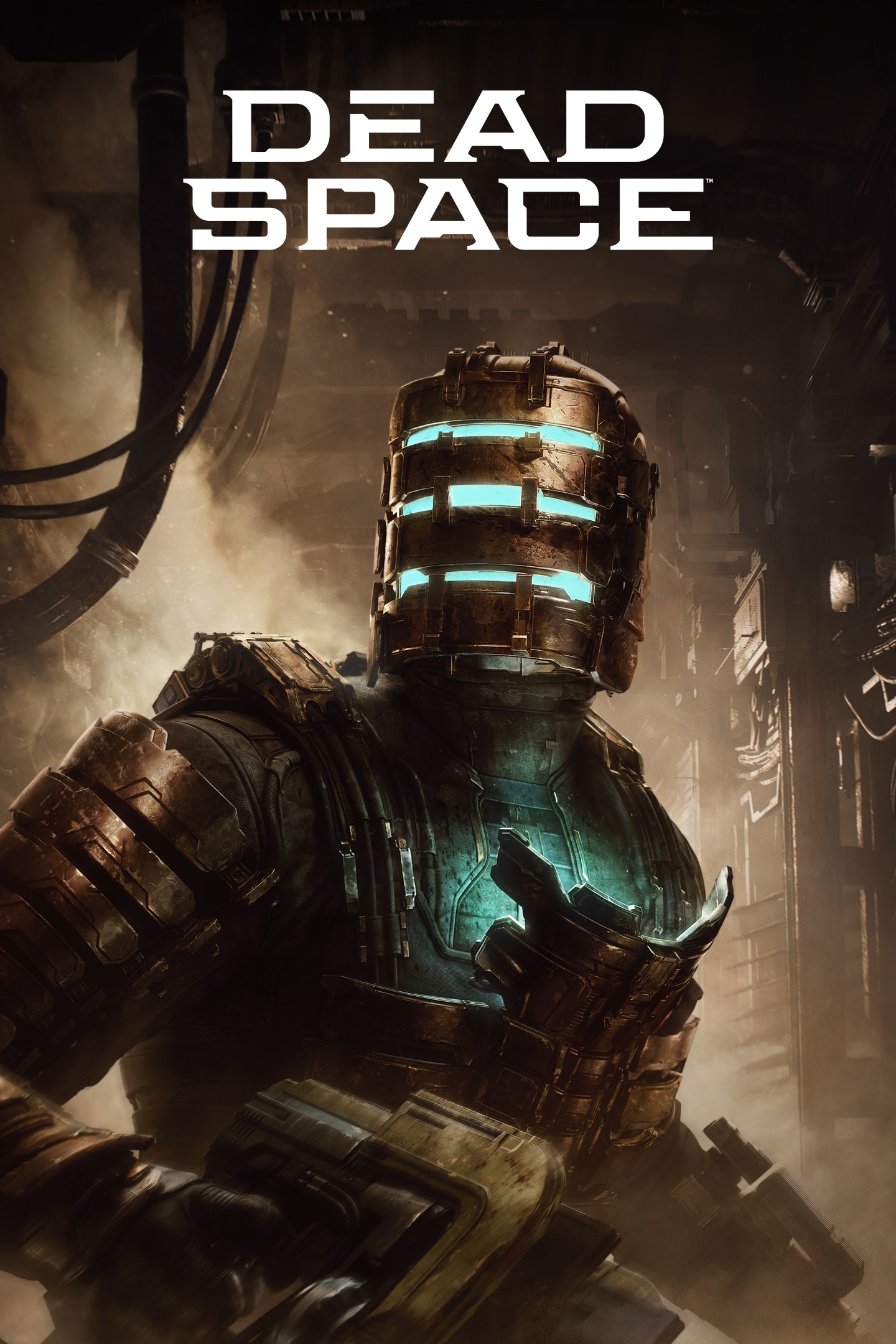
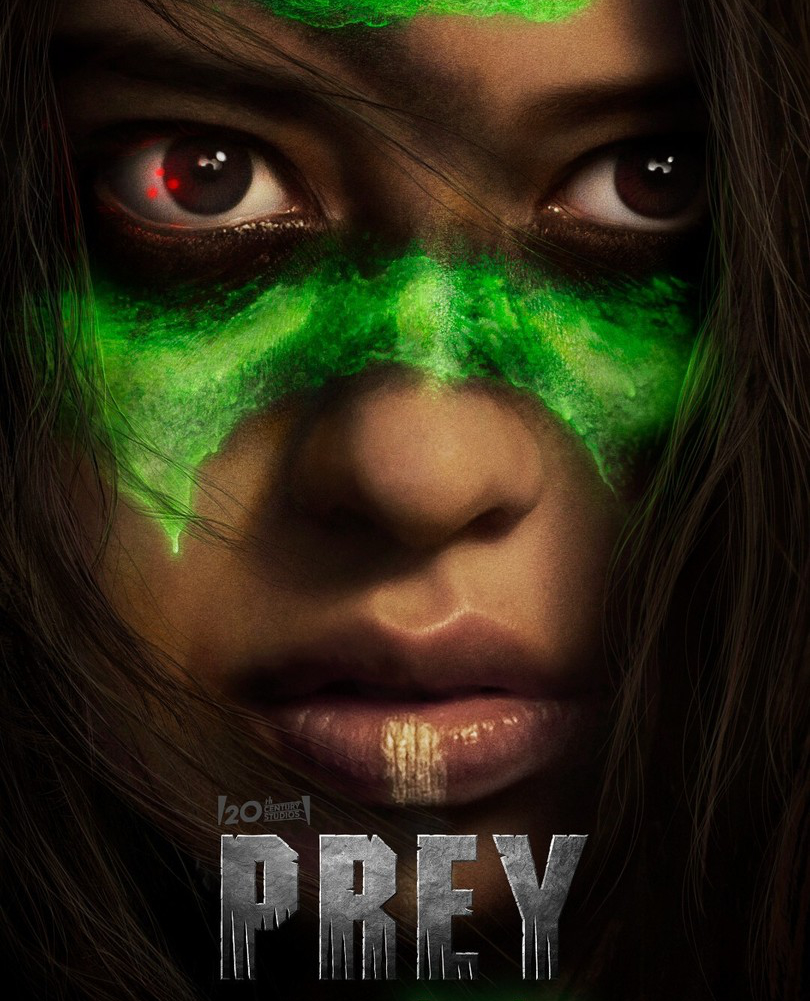
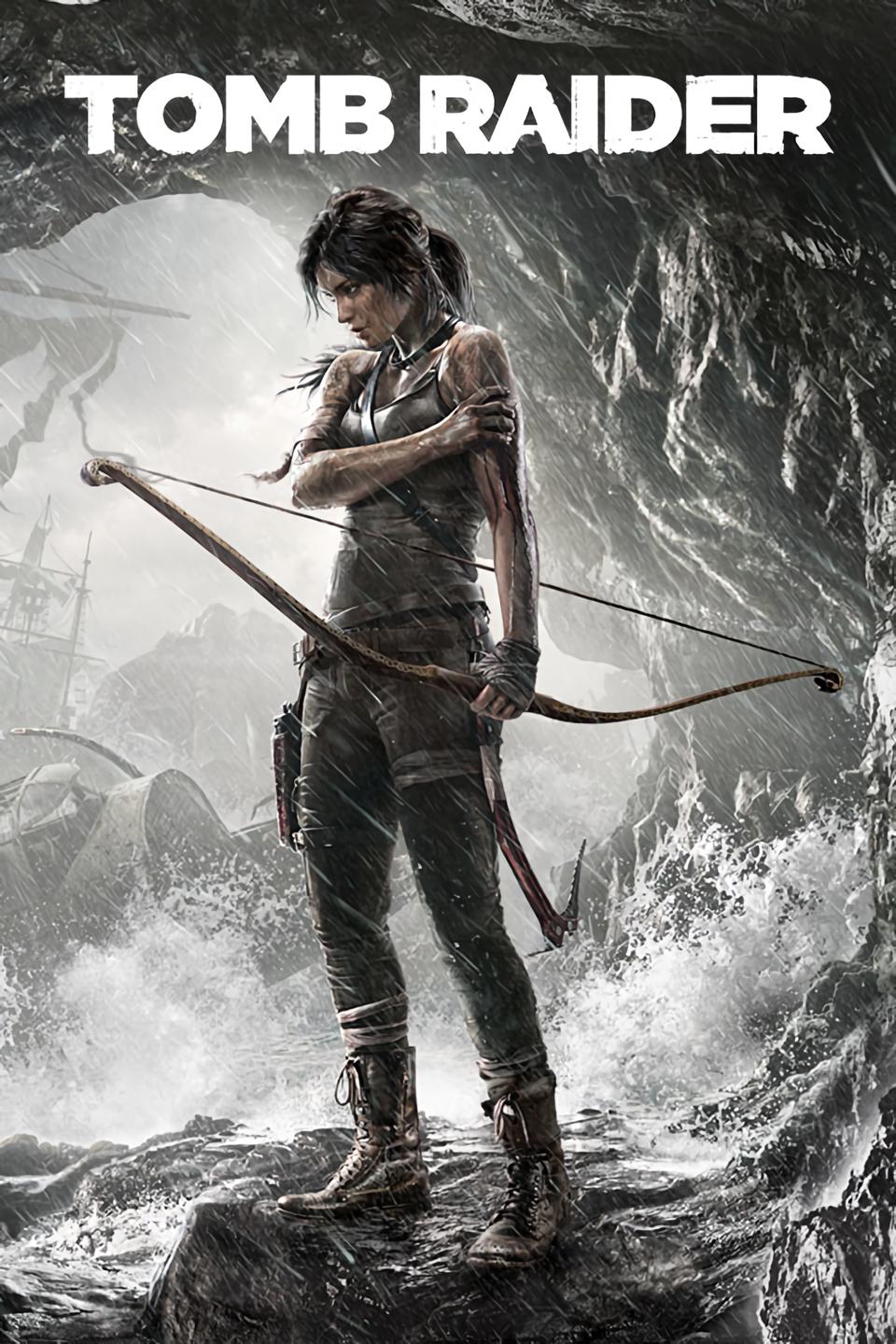
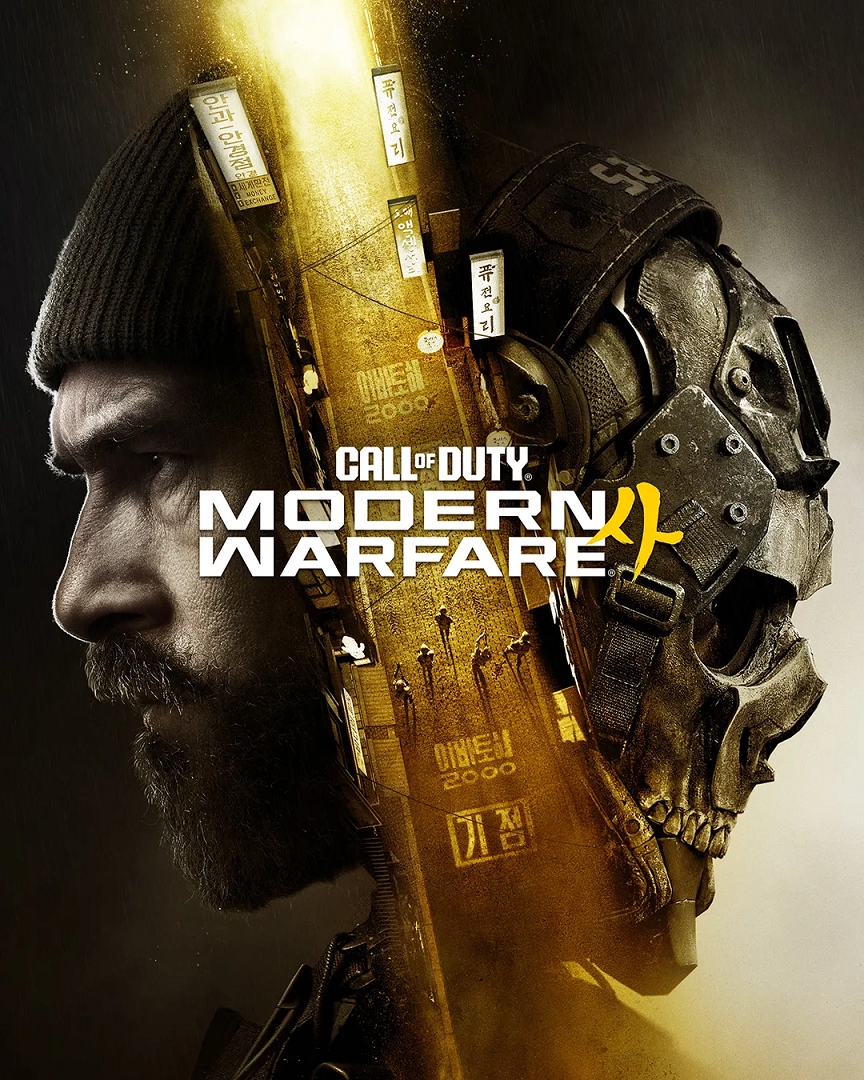
Jason's 30-year scoring career has earned 75 award nominations and spans over 150 games, 200 TV episodes, and 10 films, including:

  • Dead Space
  • Prey
  • Tomb Raider
  • Call of Duty: Modern Warfare IV
  • Fortnite
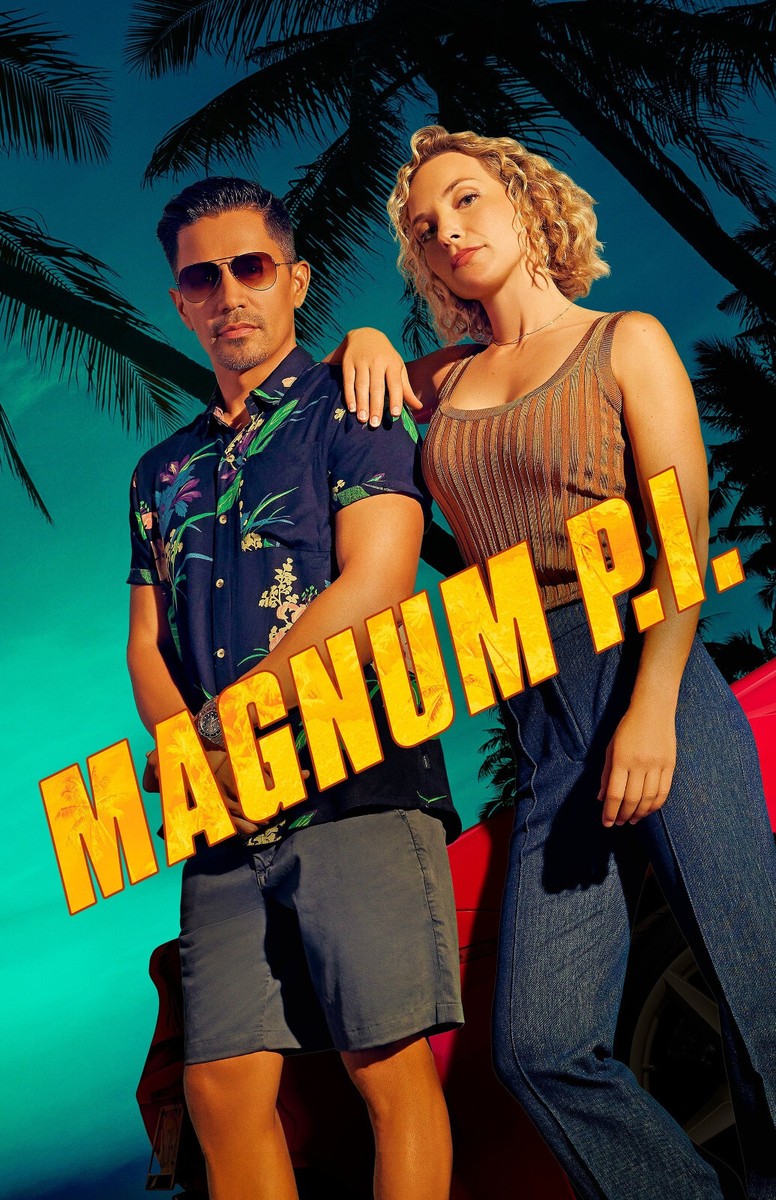
  • Magnum P.I.
  • Two BAFTA Awards
  • Multiple AAA game franchises
  • Feature film and network television credits
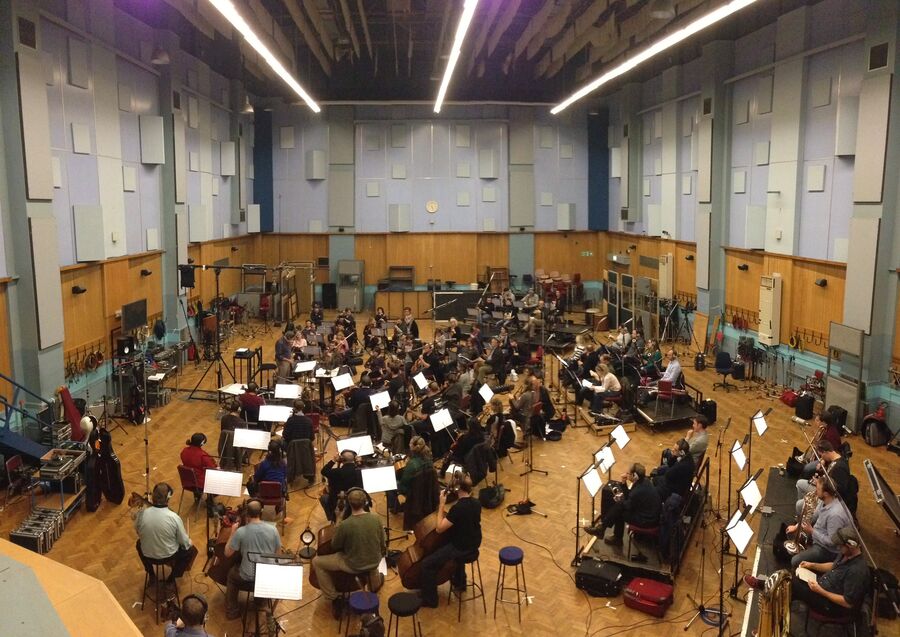
  • Orchestral recording at Abbey Road, Air Studios, & Skywalker Sound
See Jason's portfolio

Why You Are Here

Stop watching tutorials. Start finishing cues.

You've watched endless YouTube videos. Bought pre-recorded lessons promising professional results. You have folders of unfinished tracks. You feel overwhelmed by technical choices, and that shiny new sample library just doesn't sound the same in your hands. It's not your fault.

You need specific direction, accountability, and personal feedback from an experienced professional. I’ll share what I’ve learned scoring films, tv, and games and show you how to apply it to your own work. Let's take your music to the next level!

  • Compose with confidence.
  • Create professional-level mockups.
  • Get personal feedback on all of your music.
  • Build a reel you’re proud of.

What students say

In their words

“Working individually with Jason was a complete masterclass in composition and production. Jason works with who you are as a composer, helps you find your unique voice and is always encouraging, inspiring me to realize my creative potential while solidifying my craft.”
Adriaan N.Modern Cinematic Scoring
“Working with Jason has been an incredible experience. What sets Jason apart isn't just his extraordinary talent and accomplishments as a composer, but his genuine passion for teaching and helping other composers grow. Jason is approachable, encouraging, and genuinely invested in helping his students become better composers.”

Todd S.Modern Cinematic Scoring

“There are plenty of composition courses out there, but this is something new. Jason is a working professional who shows us his craft. Watching him make composition and production decisions in real time, then receiving his feedback on my own work, is simply the best education I could ask for. To me, MCS is far more a mentorship program than it is just a course. And a damn good one too!”

Steve BModern Cinematic Scoring

The Process

How MCS works

  1. 01

    Get inspired

    Immerse yourself in a specific genre with live classes, detailed walkthroughs, conductor scores, and complete soundtracks.

  2. 02

    Watch Jason score a scene

    See the entire process in painstaking detail, not just a review of a finished track. Put it on 2x - he'll never know.

  3. 03

    Score a scene yourself

    Choose from 40+ options and apply what you've learned to a film, television show, or game.

  4. 04

    Get personal feedback

    Review your cue with Jason and learn exactly how to improve it.

  5. 05

    Revise + level up

    Add Jason's suggestions to your arsenal of skills.

  6. 06

    Add to your collection

    Build your reel of finished cues that shows exactly what you can do.

The MCS Portal

So long, YouTube.

This is not a "one and done" program. There's much more to learn beyond the live classes. Inside the MCS Portal, you'll find our growing collection of scenes, walkthroughs and reference files, all drawn directly from Jason's experience. Yours for life. Over-the-shoulder composing from Jason's recent film and game projects. Live streams of Jason's current work. Behind-the-scenes footage from recording sessions. 1000's of audio and PDF files. 350+ hours of transcribed and searchable videos.

01 · Never Lose Your Way

Composer Checkpoints

Detailed, scene-specific music direction from Jason. It's a practical scoring plan with creative prompts, reference cues, detailed info links, and progress tracking to guide your music from concept to orchestration.

02 · Pull up a chair

Watch every step. Hear every choice.

A real-time look at Jason’s composing process, with more than enough commentary covering everything as it happens. Prep work, sketches, final mix, and everything in between.

03 · The ultimate music nerd reference

The Field Guide

A searchable library of the techniques behind Jason’s scores, in his own words. Film theory and storytelling. Composition and orchestration. Business and marketing. And so much more.

Curriculum

Transform the way you think about music.

Build a jaw-dropping reel with more than 40 scenes across eight genres, covering film, television, and games. Each module is a focused deep dive into the details of a specific genre - melody, harmony, orchestration, sound design, and mixing.

  1. 1Choose a scene
  2. 2Write your own score
  3. 3Receive Jason's feedback
  4. 4Add the finished cue to your reel
Module 01

Foundation

It’s all about how you set things up from the beginning. Plan every detail of your ideal template based on your currently available software.

Focus
BalanceReverbBasic OrchestrationMixing & MasteringTemplatesOrchestral LibrariesSynthsFXGroupsMixing
Module 02

Fantasy

Create wonder and adventure through memorable themes, rich harmony, and orchestral color.

Example scenes
  • Beetlejuice 2
  • Masters of the Universe
  • Rings of Power
  • Fire Emblem: Fortune's Weave
Focus
TimelessOrganic OrchestrationSub-Bass From ScratchCommon Tone vs. Color Tone
Module 03

Sci-Fi

Combine orchestra, synthesis, and sound design to create futuristic musical worlds.

Example scenes
  • Dune: Part Two
  • Project Hail Mary
  • The Expanse
  • Control Resonant
Focus
Synths From ScratchEpic ScoringHybrid PercussionThemaitc Writing
Module 04

Action

Build momentum and intensity with driving rhythms, propulsive strings, and powerful orchestration.

Example scenes
  • Carry-On
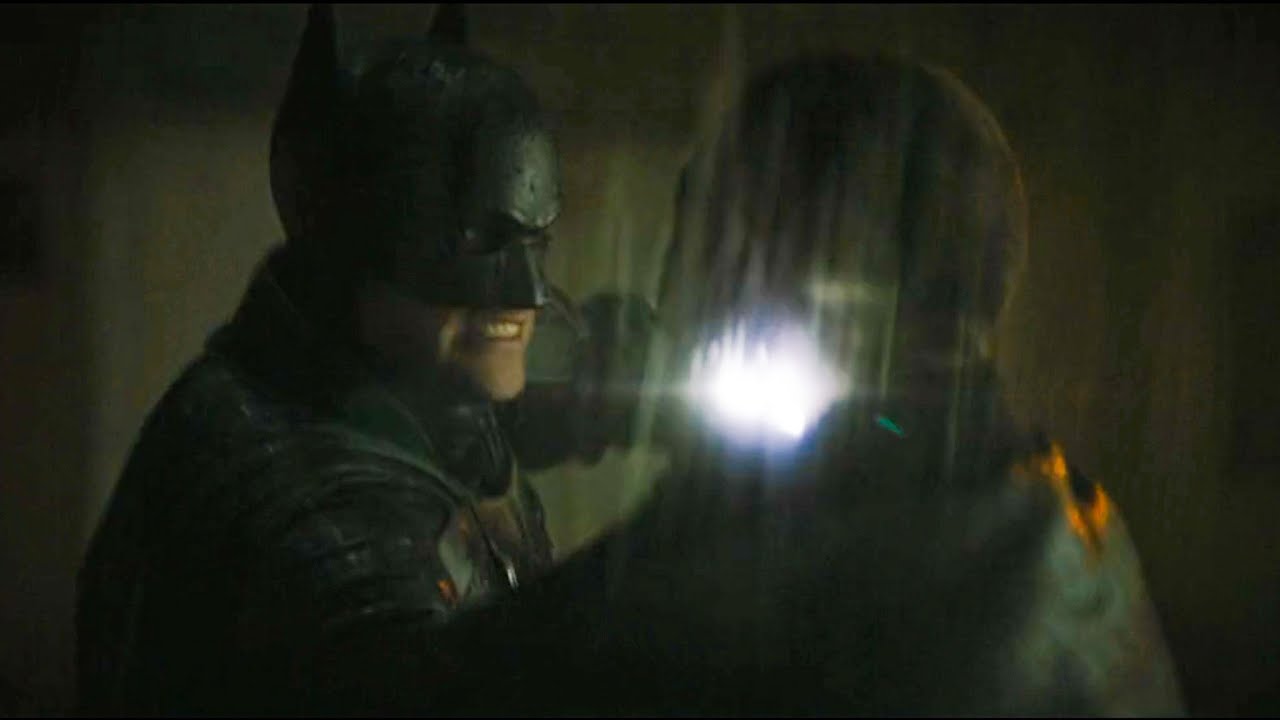
  • The Batman
  • The Expanse
  • 007 First Light
Focus
Pulsing SynthsBuiding A GrooveSidechaining/LFO'sOrchestral Clusters
Module 05

Drama

Shape emotion and character through expressive harmony, simple orchestration, and featured solo performances.

Example scenes
  • Horizon
  • The Gilded Age
  • Rings of Power
  • Shogun
Focus
Writing Around DialogParallel MinorMixolydianContrary Motion
Module 06

Horror/Thriller

It's all about the unknown. Create tension and unease through dissonance, unusual textures, and unconventional sounds.

Example scenes
  • The Nun 2
  • Weapons
  • The Others
  • Silent Hill: Townfall
Focus
Experimental RecordingGranular TextureMusical Sound DesignFX Processing
Module 07

Trailer

Build impact and dramatic scale with classic trailer structure, escalating energy, and bold musical statements.

Example scenes
  • The Odyssey
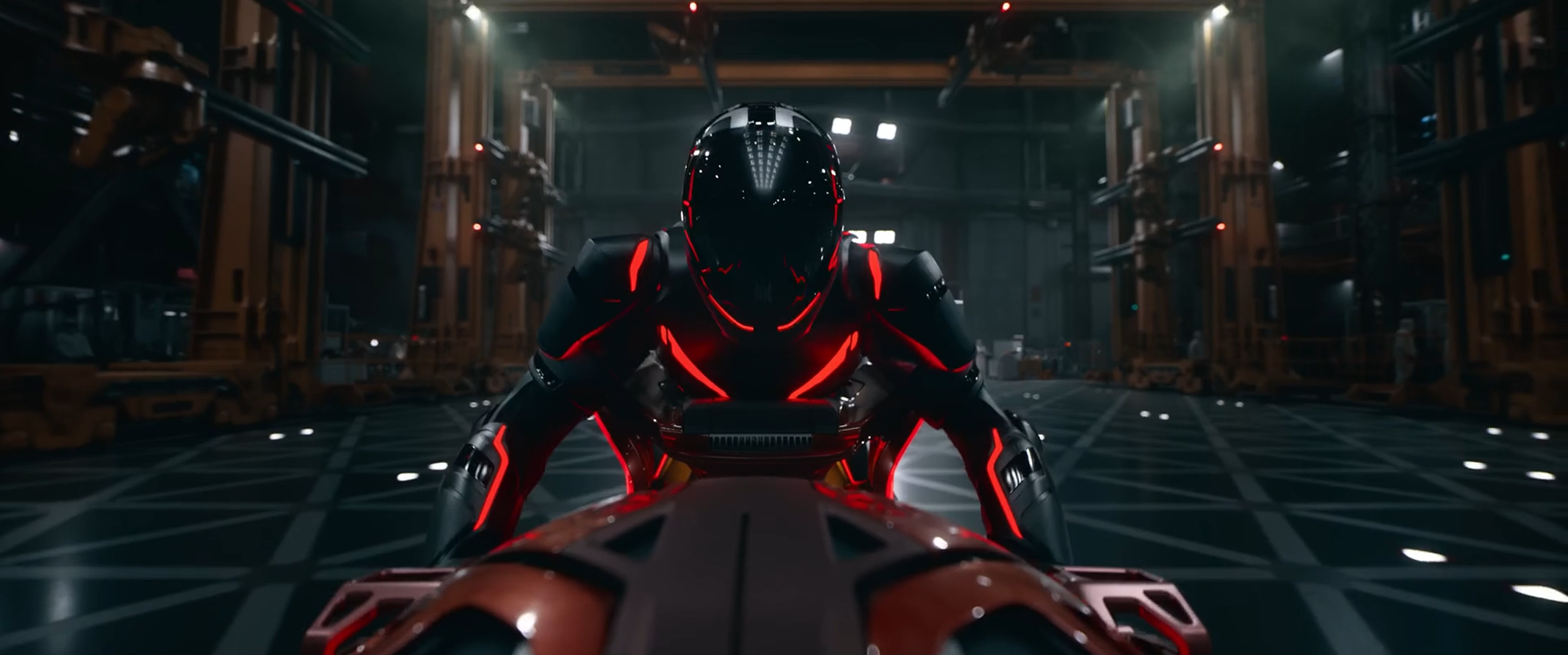
  • Tron: Ares
  • The Gentlemen
  • Toy Story 5
Focus
Synths From ScratchHybrid ScoringCustom RisersStrong Themes
Module 08

Mystery/Suspense

Build curiosity and uncertainty through shifting harmony, sparse textures, and restrained orchestration.

Example scenes
  • Fallout
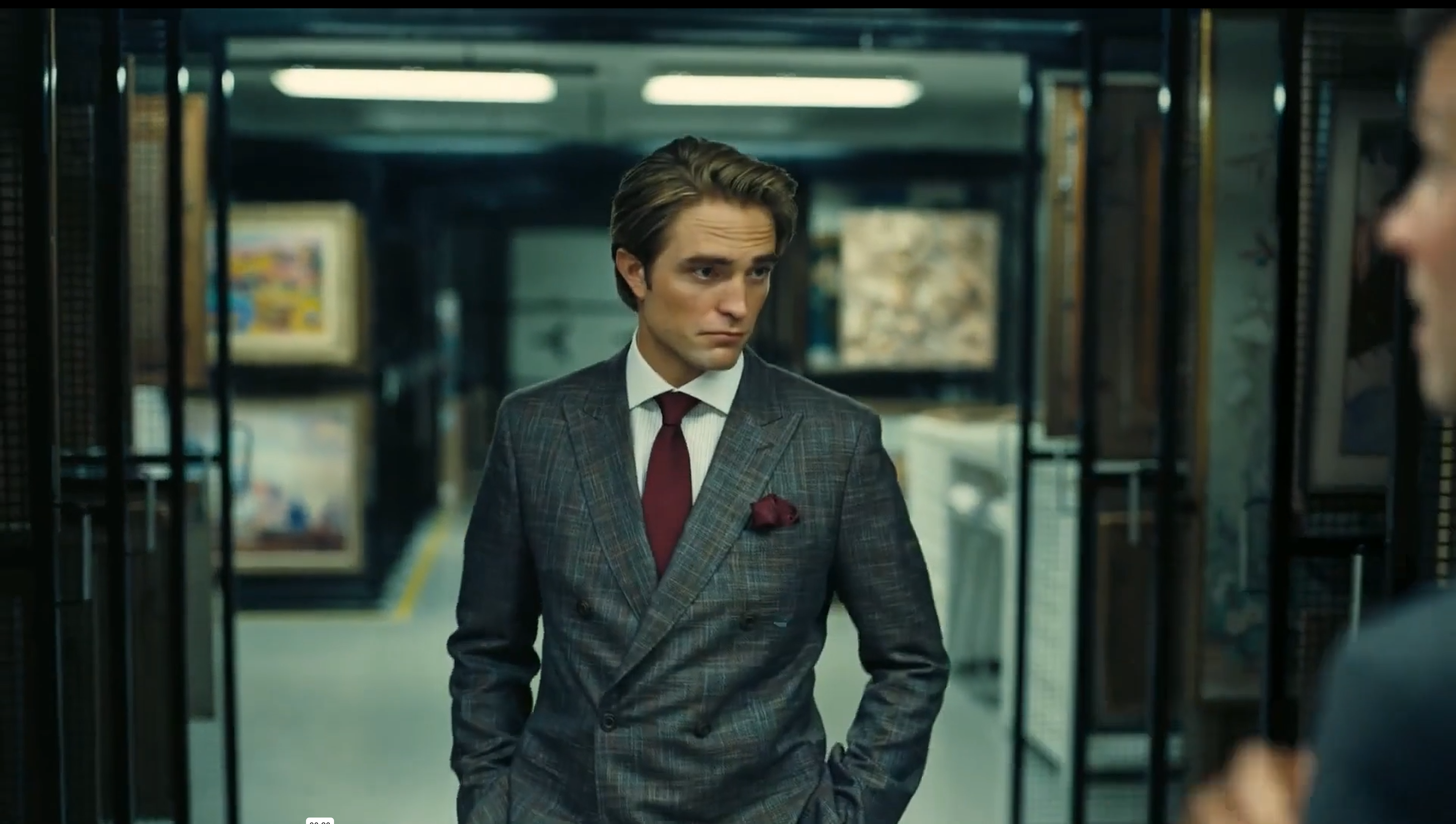
  • Tenet
  • Sphere
  • Nosferatu
Focus
Chromatic MediantsPedal TonesControlled PacingEvolving Textures
Module 09

Animation

Support the action and underscore the gags with expressive themes, colorful orchestration, and musical agility.

Example scenes
  • Despicable Me 4
  • Wallace & Grommit
  • Zootopia 2
  • Pokemon: Pokepia
Focus
Featured WoodwindsMickey MousingWhole Tone ScalesBi-Tonal Harmony
One of Jason's many scored scenes. Download all his session, audio, and MIDI files for closer inspection.

Study the source

Decode your favorite scores

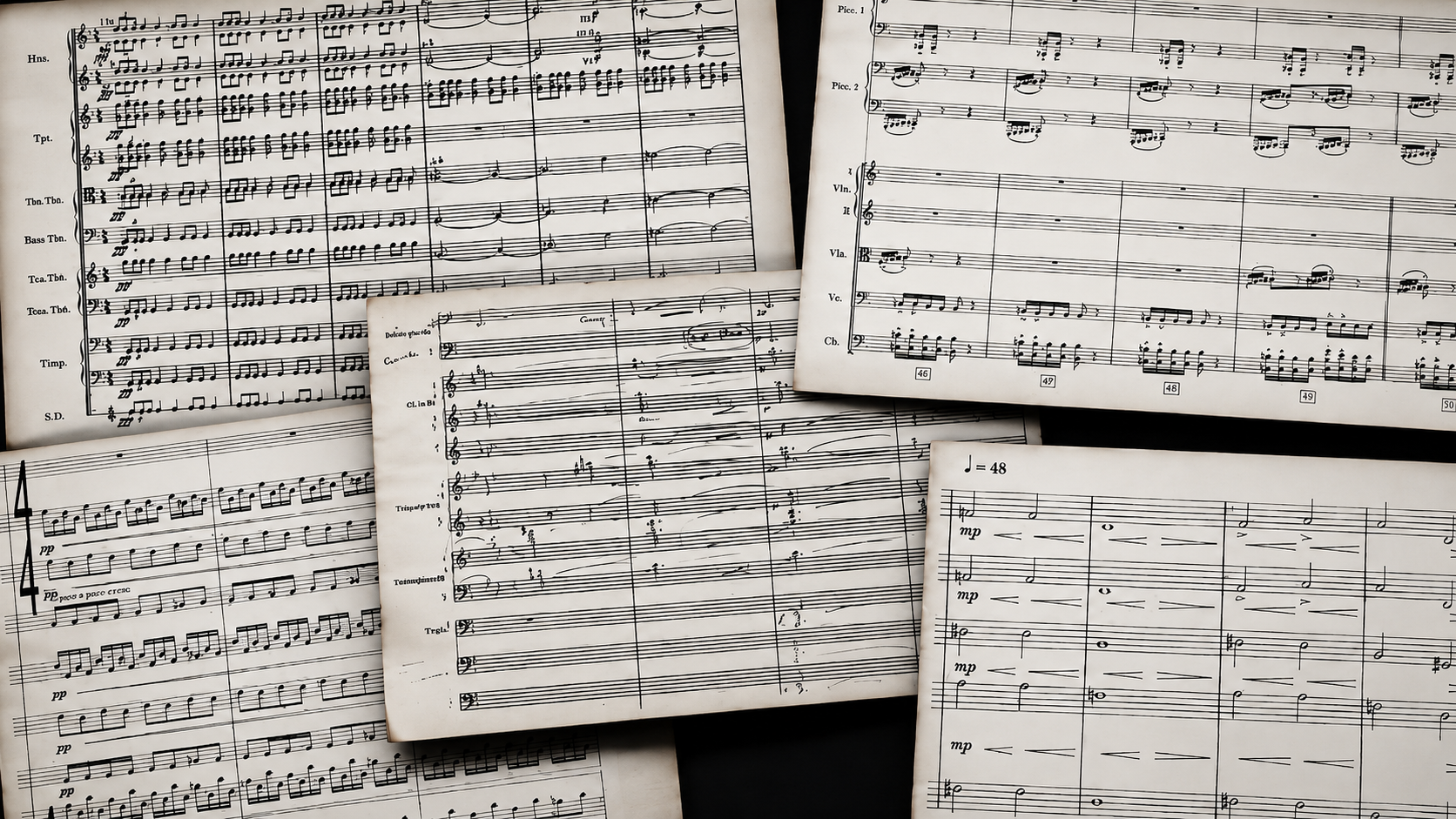
Go straight to the source and dissect the secret to each composer's sound for quick translation into your own writing. Jason looks at sheet music, piano roll, keyboard view, and MIDI mockup, so there's something for everyone. It's a complete nerd out that will transform the way you approach composition.

Study the source - Find your composer secrets
Alan Silvestri Alexandre Desplat Bernard Herrmann Brian Tyler Carl Stalling Christopher Young Danny Elfman Disasterpeace Elliot Goldenthal Gustav Holst Hans Zimmer Henry Jackman Howard Shore James Horner James Newton Howard Jerry Goldsmith John Barry John Lunn John Powell John Williams Julian Nott Krzysztof Penderecki Marco Beltrami Maurice Ravel Michael Giacchino Steve Jablonsky Two Steps From Hell

The music business

Build a career around your music.

Career advice is not a one-size-fits-all situation.

Every composer has a different path. Jason will help you navigate yours over time with personal, actionable advice. Learn about the music business from someone who is currently working in it.

We've all been there...

  • How much should I charge for my music?
  • Do I need an agent/manager?
  • I'm confused about contracts, music rights, and royalties.
  • Can I make this a sustainable career?

Discounts for days

Build your toolkit with confidence.

Jason will help you get more from what you already own. When something new will actually make a difference, he's brought some friends to the party to level up your technical skills...at a discount.

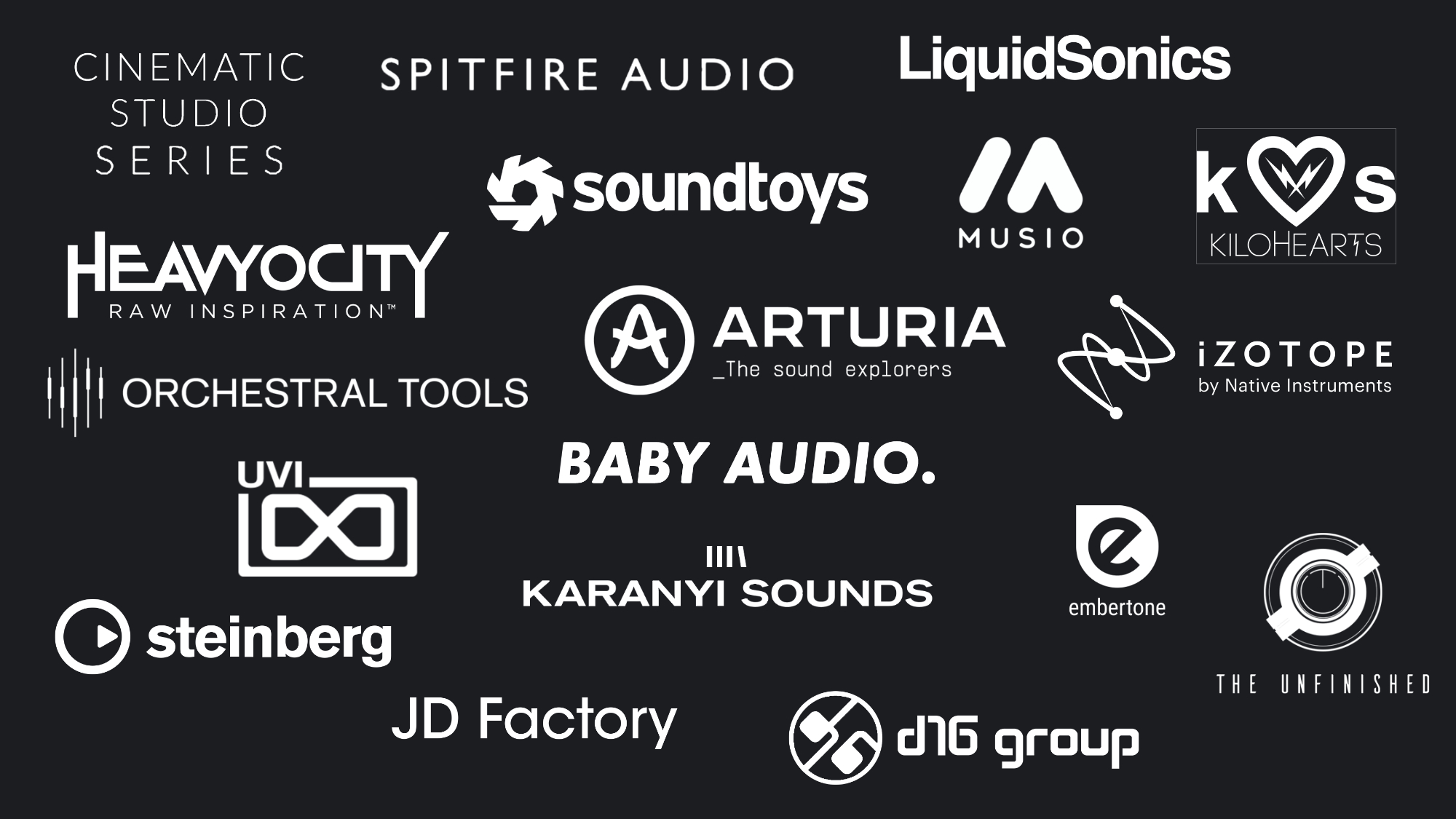
Logos of the sample-library and plug-in vendors offering discounts to students

Jason has secured exclusive discounts from some of his oldest friends in the business, and a few soon-to-be favorites. Thousands of dollars in potential savings unlock the moment you enroll, so you can build out your template before scoring your first scene.

More from MCS students

“I just really appreciate all the knowledge you're sharing. The atmosphere of this course is so encouraging - overwhelming in the best way possible.”

Ana P.Modern Cinematic Scoring
“The tagline is something like 'everything you'll learn in music school without the school.' I'm literally in music school - and I'm learning more in Jason's class.”

Evelyn C.Modern Cinematic Scoring

“The individualized feedback from Jason is invaluable. The mixing improvements from his teaching have helped my mixes sound light years better than three months ago.”

Justin T.Modern Cinematic Scoring
“A more comprehensive film and game music course you will not find. This class gives you more resources, more education, more support and more community than most 4 year programs. I'll be learning from all the material on offer for years to come!”

Shawn C.Modern Cinematic Scoring
“This class takes you from A to B, all the way through Z. Every module flows neatly into the next, and before I knew it I had a fully loaded orchestral template and a whole new bag of musical tricks.”

Ben W.Modern Cinematic Scoring

“Most programs guard their projects like state secrets. Jason is like our favorite inside-man who just hands over the keys to the vault. Peeking into his setup is hands down the coolest part of the program.”

Sudhan B.Modern Cinematic Scoring

“It's such a collaborative course – you have direct mentorship from Jason, a community of fellow composers to engage with, and thousands of resources. You will learn so much. And honestly, it won't even feel like work.”

Edward G.Modern Cinematic Scoring

“While attending MCS, I was working on a project for which I recently received a Suncoast Emmy nomination! There’s no way that’s pure coincidence, so thank you again for the opportunity.”

Justin T.Modern Cinemaric Scoring

Your investment

One enrollment, everything included

No tiers, no add-ons, no subscriptions. A single enrollment covers live classes, personal feedback on every cue, and unlimited access to the MCS Portal. Forever.

So many benefits, so little time

  • Jason's personal feedback on every cue
  • 90-minute live Zoom class every week
  • 140+ hours of composition walkthroughs
  • 1,000's of Jason's original sounds
  • Choose from 40+ scenes to score
  • Every Cubase session, plus all audio/MIDI
  • Mix feedback & template tips from Joel Dollie
  • Exclusive discounts from 18 vendors
  • Private Discord & small, supportive class sizes
  • Lifetime access, including all future classes
Tuition
$5,000

Lifetime access

Payment plans available!

Schedule a chat →Space is limited. Grab your seat!

FAQ

Questions, answered

How long does the program last?

Try not to think of MCS in traditional educational terms. It's an investment in your music over time. Live classes provide structured learning, but the heart of MCS is time spent working directly with Jason on your music. Those one-on-one conversations provide direction and feedback specific to your progress. And lifetime access to the ever-expanding MCS Portal means you'll always have new sources of inspiration and learning.

Do I really get to chat with Jason about each of my cues?

Yes, Jason personally reviews everything you submit and you speak with him one-on-one. It's a chance to dig into your work and talk through the details in a private Zoom call. Jason focuses on your music, your questions, and what you want to improve. Expect practical feedback and clear suggestions for what to try next. Jason helps you hear what could be stronger, understand why, and find ways to apply those ideas for quick results.

Does MCS focus on scoring for film, television or games?

We talk about all three! You have the choice to focus on a specific medium or try your hand at everything. Our film and television scenes are around 2-3 minutes long. Game selections are 25-30 minutes of gameplay, allowing more time for interactive music.

What's the schedule for live classes?

Live classes are 90 minutes each at 3 p.m. Eastern Time (ET) on Thursdays. Each genre is a multi-week module. Everything eventually repeats, so you can jump in immediately and pick up the rest next time around. Chat with Jason about the current schedule.

What if I miss a live class?

No problem. Watch the recording whenever it fits your schedule. Lifetime access means you can revisit it as often as you need. And that specific live class will also loop back around again.

Do I need to use Cubase?

Jason teaches in Cubase, but the ideas and techniques apply to any DAW. MIDI and Wave files are available to import into your DAW of choice for every project.

How much music composition experience should I have?

You don't need a music degree or professional credits. A basic understanding of harmony and knowing your way around your DAW are good starting points. From there, you can build the basics, explore new techniques, and take on more as your confidence grows.

Ready to dive in?

Now enrolling for Fall 2026 - limited spots available. Answer a few short questions and book a chat with Jason - ask anything, make sure it's the right fit, and confirm your space.

Schedule a chat →Small classes · Positive vibes